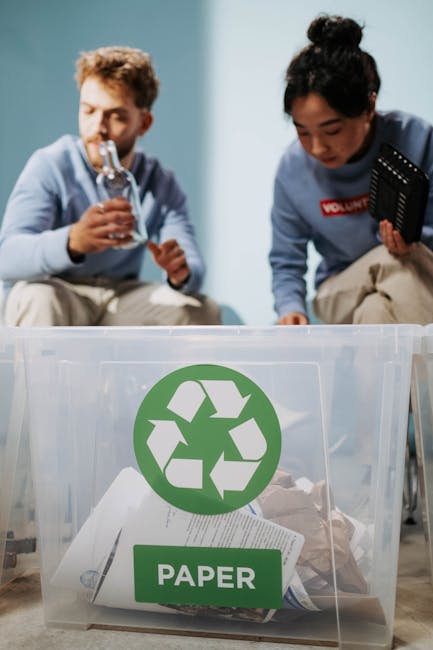
Green Lanes Eco Removals and Furniture Recycling Tips
If you are planning a move in Green Lanes, you will already know the tricky bit is not always the lifting. It is deciding what to keep, what to recycle, what to donate, and what needs proper disposal before the van turns up. That is where Green Lanes eco removals and furniture recycling tips become genuinely useful. Done well, they help you move with less waste, less stress, and fewer last-minute surprises. Done badly, you end up staring at a dining table in the hallway at 9pm wondering why you left it so late. We have all been there, more or less.
This guide breaks down how eco-conscious removals work, how to recycle furniture safely and sensibly in the UK context, and how to prepare for a greener move without making it complicated. You will find practical steps, common mistakes, and a few small decision-making shortcuts that make the whole thing much easier. In short: less landfill, less hassle, better planning.
Why Green Lanes eco removals and furniture recycling tips Matters
Eco removals are not just about sounding responsible, although that does matter to a lot of people now. They are about making practical choices that reduce waste, protect reusable items, and make the move itself more efficient. In a busy London area like Green Lanes, that can be a real advantage because flats can be tight, parking can be awkward, and the timing around moves is rarely generous.
Furniture is often the biggest source of waste in a home move. Sofas, wardrobes, desks, bed frames, and shelving can look fine at a glance, but once you start lifting them you notice the loose joints, the worn fabric, the chipboard swelling, the missing fixings. The problem is not always that the items are useless. It is that they need sorting properly, and quickly.
That is why the eco side matters. A well-planned move gives each item a destination: reuse, resale, recycling, donation, or disposal. That simple structure cuts through the panic. It also helps you avoid the common mistake of treating every unwanted item as rubbish. Truth be told, quite a lot of it is still useful to someone else.
If you are trying to build a greener move from the start, it can help to read the company's own approach to recycling and sustainability. That gives you a clearer sense of how a responsible removals provider may handle sorting, transport, and reuse.
How Green Lanes eco removals and furniture recycling tips Works
The process usually starts before moving day. First, you separate your furniture into categories based on condition and practicality. Then you decide which items should be kept, which can be passed on, and which need recycling or disposal. Once that is done, the removals plan becomes much more efficient. The van is loaded with intention rather than guesswork. That sounds obvious, but you would be surprised how often it is skipped.
A typical eco removals process looks something like this:
- Audit the furniture room by room. Note size, weight, condition, and whether it is flat-pack or solid wood.
- Identify reusable pieces. Good sofas, tables, chairs, and storage units may be worth passing on or moving to a new address.
- Strip items down where possible. Remove cushions, shelves, handles, legs, and loose fittings so transport is safer.
- Separate materials. Wood, metal, textiles, and electronic parts should not be mixed casually if they can be handled separately.
- Choose the right route. Some items may be suitable for furniture pick-up, others for recycling, and others for careful removal as part of the moving job.
- Load intelligently. Heavier pieces first, fragile items protected, and all loose parts bagged and labelled.
If your move involves a flat, limited access, or awkward staircases, the logistics matter even more. Services such as flat removals or a flexible man and van setup can be a sensible fit when you need a smaller, more agile approach. That is especially true when a lift is out of service, which somehow always seems to happen on moving day.
In practical terms, eco removals are less about perfection and more about discipline. You do not need a fancy system. You need a clear one.
Key Benefits and Practical Advantages
The benefits of greener removals are easy to understand once you have lived through a standard move and a messy one. The difference is often felt in your shoulders, your schedule, and your bin bags.
- Less waste: items are reused, recycled, or responsibly disposed of instead of going straight to landfill.
- Lower moving stress: decision-making is done earlier, which reduces panic on the day.
- Better space management: you only move what is genuinely worth moving.
- Potential savings: reducing volume can sometimes lower transport needs and labour time.
- Cleaner exit from the property: ideal if you want to leave a flat or house in decent shape.
- More responsible clear-out: especially useful for landlords, tenants, office managers, and anyone handling a full declutter.
There is also a quieter benefit: moving feels better when you know you have dealt with things properly. A battered chair taken away for recycling is one less job hanging over you. A good desk passed on instead of dumped is one less bit of waste sitting in your conscience. Small thing, maybe. But it adds up.
If your move involves a bigger household or several rooms of mixed furniture, furniture removals can help streamline the physical side while you focus on sorting the items sensibly. For larger household moves, the broader house removals service category is often the better starting point.
Who This Is For and When It Makes Sense
This approach is useful for a lot of people, but especially for anyone dealing with mixed-condition furniture, restricted access, or a tight deadline. If you are moving from a Green Lanes flat, for example, you may not have the luxury of parking directly outside or spending hours working item by item. A clear recycling plan becomes very handy very quickly.
It makes sense if you are:
- moving home and want to reduce what goes into the van
- clearing out a rented property before the check-out inspection
- replacing old furniture before a new tenancy starts
- down-sizing and do not want to store bulky items you never use
- handling office furniture, desks, shelving, or meeting-room items
- moving student accommodation where cost, speed, and practicality all matter
It also makes sense for offices and commercial spaces. Office moves often generate a surprising amount of unwanted furniture, and not all of it is in the same condition. A mix of old chairs, desks, filing units, and broken monitors needs a plan, not a guess. For that, the relevant support may include office removals or, for more complex projects, commercial moves.
Student moves are another obvious fit. A small room can still produce a lot of waste if you are not careful: broken shelving, cheap flat-pack items, piles of books, and a chair that has one wobble too many. The sensible answer is to strip back early and move only what earns its place.
Step-by-Step Guidance
Here is the cleanest way to approach furniture recycling before a move. It is not glamorous, but it works.
1. Start with a room-by-room sort
Do not bounce between rooms. That is how decisions get muddled. Go room by room and make quick calls: keep, donate, recycle, or dispose. If you hesitate over an item, ask whether you would genuinely pay to move it to the new place. That question alone clears up a lot.
2. Check whether the item can be reused
Many pieces only need minor attention. A table with scratches may still be usable. A wardrobe with a loose hinge might be repairable. If the item is structurally sound, reuse is usually better than recycling. Recycling is good; reuse is often better.
3. Break furniture down where possible
Flat-pack furniture, shelving, and bed frames often take up far less space once dismantled. Keep screws, bolts, and connectors in labelled bags. Tape those bags to the corresponding item if you can. It saves a small headache later. Actually, quite a big one if you are the sort of person who finds one missing Allen key and calls it a disaster.
4. Protect reusable surfaces
Wrap tabletops, mirror-fronted wardrobes, and corners that can chip. Reuse-friendly items should arrive in a condition that still makes them worth keeping. That is the point.
5. Use the correct route for each item
Some items are suitable for a direct furniture pick-up, some can be included in a broader removals job, and some are best stripped for recycling. Do not force a one-size-fits-all approach. If you need help getting items out safely, consider furniture pick-up as part of the plan.
6. Keep fragile or awkward pieces separate
Piano stools, glass shelving, antique chairs, and oversized mirrors deserve extra care. If you have particularly delicate or heavy items, you may also need specialist handling such as piano removals for the musical side of things, or a more tailored moving plan for valuable pieces.
7. Confirm timings and access
Eco removals only stay efficient when access is sorted. Check parking, lift availability, stair routes, and any building restrictions before the day. This is one of those boring jobs that saves the day. Every time.
Expert Tips for Better Results
Over the years, one pattern shows up again and again: the people who plan the sorting phase early have calmer moves. Not perfect moves. Calmer ones. That matters more than people think.
- Use the "one-touch" rule. Pick up each item once and make a decision. Avoid creating a second pile of "maybe later".
- Measure before you move. If a large sofa will not fit through a narrow hall or new staircase, you need to know now, not on moving day.
- Photograph furniture that may be donated or sold. Even a quick phone picture helps you judge condition properly.
- Think in material types, not just objects. A metal bed frame and a particleboard wardrobe should not be treated the same way.
- Keep a small tools kit aside. Screwdriver, tape, marker pen, zip bags, gloves. Nothing dramatic, just useful.
- Leave one box for fixings and manuals. It is amazing how many people throw away the one paper that would have made reassembly simple.
A useful local tip: Green Lanes streets can be busy, and timing matters. If your collection window is tight, keep the route clear and the items by the exit as early as you safely can. One chair left in the way can slow everything down. Slightly annoying, but very real.
If you need support packing around the move, packing and boxes or packing and unpacking services may help keep the process less chaotic. People underestimate that bit all the time.
Common Mistakes to Avoid
The biggest mistake is leaving the sorting until the last 24 hours. That is when good intentions get replaced by quick decisions, and quick decisions often mean waste. A second common mistake is assuming that every old item must be thrown away. A lot of furniture can be reused with little effort.
Other errors to watch for:
- Mixing materials together. It is harder to recycle items properly when everything is bundled into one pile.
- Ignoring access problems. If a wardrobe needs dismantling, do not discover that at the front door.
- Forgetting fixings and loose parts. That makes future reuse much less practical.
- Overestimating what you will actually use again. Honest answer time: if you have not used it in two years, maybe it is not making the move.
- Choosing a service that is not suited to the volume. Some jobs need a van and a couple of hands; others need more structured removal support.
One more subtle mistake: not thinking about storage. If you are on the fence about a bulky piece, temporary storage can buy you time. That is where storage may be a sensible bridge rather than forcing a rushed decision.
And yes, sometimes the old chest of drawers is just sentimental. Fair enough. But if it is also falling apart, sentiment has its limits.
Tools, Resources and Recommendations
You do not need an elaborate toolkit to manage an eco-conscious move, but a few basics make life easier. Think in terms of sorting, protection, and communication.
Helpful items to keep on hand
- strong tape and parcel tape
- marker pens and labels
- zip-top bags for screws and fittings
- blankets or protective covers
- gloves for lifting and sorting
- measuring tape
- basic screwdriver set
- moving straps or lifting aids where appropriate
On the planning side, a written inventory helps more than people expect. It does not have to be fancy. A simple list of items, condition notes, and destination category is enough. You can sketch it on paper, in a notes app, or on the back of a moving box if that is your style.
For practical support and transparent planning, it is worth reviewing pricing and quotes early, especially if your move includes bulky furniture or specialist handling. If you want to understand how the company approaches safety and responsibility, the insurance and safety information is also worth a look. The details matter when you are moving heavy items through narrow spaces.
If the move is time-sensitive, same-day help can sometimes be the difference between a tidy handover and a stressful scramble. In that case, same-day removals may be relevant, although earlier planning is always better if you can manage it.
Law, Compliance, Standards, or Best Practice
For furniture recycling and removals in the UK, the safest approach is to follow good waste-handling practice and make sure any items are passed to people or services that can handle them responsibly. If furniture is being removed from a property, the duty is to avoid fly-tipping, keep records where needed, and use appropriate disposal routes. That part is common sense, but it is also the part that causes trouble when people rush.
For larger households or businesses, best practice usually means:
- checking whether items are reusable before disposing of them
- separating different materials where practical
- avoiding unsafe lifting and dismantling methods
- ensuring electrical or hazardous components are handled carefully
- using insured, professional support for heavy or awkward items
For business and office moves, compliance and record-keeping become more important. You may need a clearer chain of responsibility for what leaves the premises, what is stored, and what is recycled. That is one reason office relocation services can be useful when the job is larger than a simple van run. The process becomes less about moving boxes and more about managing risk properly.
Best practice also extends to safety. If a sofa needs two people to carry it, it needs two people. If a stairwell is awkward, do not wing it. The floor, the walls, and your back will all thank you later.
Options, Methods, or Comparison Table
Different furniture situations call for different solutions. Here is a simple comparison to help you decide what fits best.
| Option | Best for | Pros | Watch out for |
|---|---|---|---|
| Reuse / donate | Good-condition furniture | Least wasteful, often fastest if arranged early | Items need to be clean, safe, and usable |
| Furniture pick-up | Single items or selected pieces | Convenient, focused, often ideal for bulky pieces | Needs clear access and accurate item details |
| Furniture removals | Multiple items or whole-room clearances | Efficient for mixed loads and larger jobs | Planning is needed so recyclable items are separated properly |
| Storage first | Uncertain decisions or temporary transitions | Buys time, reduces pressure | Costs can add up if you delay too long |
| Full home removals | Households moving everything | Best for complete relocations and structured loading | Needs careful sorting to avoid moving unnecessary clutter |
As a general rule, choose the lightest-touch option that still solves the problem properly. If a chair can be reused, do not overcomplicate it. If a full flat clearance is involved, do not pretend a quick lift-and-go will be enough.
Case Study or Real-World Example
Imagine a small Green Lanes flat with a spare bed frame, a desk with one damaged drawer, a bulky sofa, and a dining table that has outlived its best days. The move is happening on a weekday morning, and the hallway is narrow. Not an unusual scenario at all.
The most efficient approach would be to sort the items into three groups. The sofa and table might be earmarked for recycling or careful removal if they are beyond reuse. The desk could be dismantled, with the drawer repaired or the usable parts salvaged. The bed frame might be moved, provided it can be broken down safely and reassembled at the new property. Small hardware is bagged and labelled. The route to the van is cleared the night before. Simple, but effective.
Now add one more detail: the resident is also moving books, kitchenware, and a few delicate items, so packing support makes sense. In that case, a combination of removal services and good packing discipline would save time and reduce the chance of damage. If they are moving from or into a smaller property, a more compact option like student removals style planning can actually be useful even outside student life, because the logic is the same: keep it lean, keep it organised.
The result is not just a cleaner move. It is a calmer one. You can hear the difference, honestly. Less shuffling, less banging, less "where did that bolt go?" in the middle of the morning.
Practical Checklist
Use this checklist a few days before moving time. It is short on purpose.
- Sort every furniture item into keep, reuse, donate, recycle, or dispose
- Measure large items against doorways, hallways, and stair access
- Take quick photos of items you may pass on
- Remove and bag all fixings, shelves, and loose parts
- Label bags clearly with the relevant item name
- Protect surfaces with blankets, wrap, or covers
- Confirm parking, access, and timing for collection or removal
- Separate wood, metal, textiles, and fragile components where practical
- Set aside any documents, manuals, or assembly notes
- Arrange storage if you are unsure about one or two bulky pieces
- Check whether specialist handling is needed for large or awkward items
- Keep pathways clear on the day itself
Quick expert summary: the greener move is usually the one you plan earliest, sort most clearly, and transport most intelligently. It is not about doing everything yourself. It is about making sensible decisions before the pressure hits.
Conclusion
Green Lanes eco removals and furniture recycling tips are really about one thing: moving with intention. When you plan ahead, separate reusable items from true waste, and choose the right removal method for each piece, the whole move becomes cleaner and more manageable. You save time, reduce stress, and avoid throwing away furniture that still has value.
There is no need to make it elaborate. Start early, sort honestly, and keep the process practical. A few clear choices now can spare you a lot of hassle later, and that is usually the difference between a move that feels chaotic and one that feels under control.
If you are preparing a local move, a furniture clear-out, or a full property transition, it is worth looking at the wider service options and thinking through the safest, most efficient route for your items. Small decisions here make a surprisingly big difference. And once the last box is out, the room will feel oddly peaceful. That is a good feeling.
Get a free quote today and see how much you can save.
Frequently Asked Questions
What counts as eco removals in Green Lanes?
Eco removals usually mean planning the move in a way that reduces waste, reuses furniture where possible, and sends fewer items to landfill. It often includes sorting items before moving day, separating recyclable materials, and choosing the right removal method for bulky pieces.
Can old furniture be recycled instead of thrown away?
Yes, often it can. The best route depends on the material and condition of the item. Solid wood, metal frames, and some mixed-material items may be recyclable, while reusable pieces may be better donated or passed on.
How do I know whether to keep or recycle a piece of furniture?
Ask whether you would genuinely pay to move it and use it in your new place. If the answer is no, and repairs would cost more than the item is worth, recycling or reuse through another route is usually the better call.
What furniture items are hardest to recycle?
Items made from mixed materials, damaged upholstery, or furniture with fixed fittings can be harder to deal with. Flat-pack items that have swollen, broken, or been badly disassembled can also be tricky.
Is furniture pick-up better than a full removals service?
It depends on the job. Furniture pick-up is useful for selected items or smaller clear-outs. A fuller removals service is usually better when several rooms, heavier items, or broader moving logistics are involved.
Should I dismantle furniture before moving day?
Yes, where it is safe and practical. Dismantling large items in advance often makes loading easier, reduces the risk of damage, and helps you spot missing parts before the move is underway.
What is the best way to prepare furniture for recycling?
Remove loose parts, separate materials where possible, and make sure the item is safe to handle. If there are screws, brackets, or assembly pieces, bag and label them so nothing gets lost.
Can a man and van service help with eco removals?
Yes, especially for smaller moves, single-room clear-outs, or a few large items that need careful transport. A flexible van-based service can be a very practical option when the load is not huge.
What if I need temporary storage for furniture I have not decided on?
That is a common problem. Temporary storage can give you breathing room while you decide whether to keep, recycle, or pass on an item. It is often better than rushing a decision and regretting it later.
How far in advance should I plan furniture recycling before a move?
Ideally a week or two before moving day, or earlier if you have large items to sort. The more time you give yourself, the easier it is to handle donations, recycling, dismantling, and access planning without panic.
Are eco removals more expensive?
Not always. In some cases, reducing the amount you move can lower costs because there is less volume, fewer trips, or less labour involved. The final price depends on item size, access, and the level of handling needed.
What should I do if my furniture is too heavy or awkward to move safely?
Do not force it. Heavy or awkward items are where injuries and damage happen fastest. Use professional help, clear access properly, and choose the right moving setup for the item rather than trying to improvise.
If you want to prepare responsibly, keep the process simple, and give yourself a calmer moving day, that is already a strong start. A well-planned eco move is not just greener. It is kinder to your time, your home, and your nerves.