Wood Green removals guide for tight access properties
If you are moving in or out of Wood Green and the property has awkward access, you already know the headache starts before the first box is lifted. Narrow staircases, basement flats, shared hallways, no lift, parking pressure, awkward corners, low branches, tight terraces. It can feel like the whole move is conspiring against you. This Wood Green removals guide for tight access properties is here to make the process calmer, safer, and a lot more predictable.
Whether you are leaving a Victorian conversion near a busy high street, a top-floor flat, or a home tucked down a narrow side road, the right plan makes all the difference. In our experience, the moves that go smoothly are rarely the "easy" ones. They are the ones that were assessed properly, packed sensibly, and handled with a bit of local know-how.
Below, you will find practical steps, realistic expectations, and the kind of detail people usually only learn after a difficult move. A good removals plan is not just about lifting and loading. It is about access, timing, equipment, parking, communication, and knowing when a smaller vehicle or specialist help will save you time, stress, and maybe a scuffed doorway or two.
Table of Contents
- Why tight access removals in Wood Green matter
- How the move works from survey to unload
- Key benefits and practical advantages
- Who this is for and when it makes sense
- Step-by-step guidance
- Expert tips for better results
- Common mistakes to avoid
- Tools, resources and recommendations
- Law, compliance, standards and best practice
- Options, methods and comparison table
- Case study or real-world example
- Practical checklist
- Conclusion
- Frequently asked questions
Why Wood Green removals guide for tight access properties Matters
Tight access changes almost everything about a house move. A standard removals job often assumes reasonable parking, clear pathways, and enough room to manoeuvre furniture without drama. A tight access property in Wood Green may have none of those comforts. That does not make the move impossible, but it does make planning essential.
The issue is not just inconvenience. Poor access can affect the route the team takes, the size of van used, how long loading takes, and whether special handling is needed for bulky items. A sofa that would normally glide down a staircase can suddenly become a three-person puzzle. A wardrobe can appear manageable until it hits a corner and refuses to turn. Truth be told, this is where a lot of moving-day stress begins.
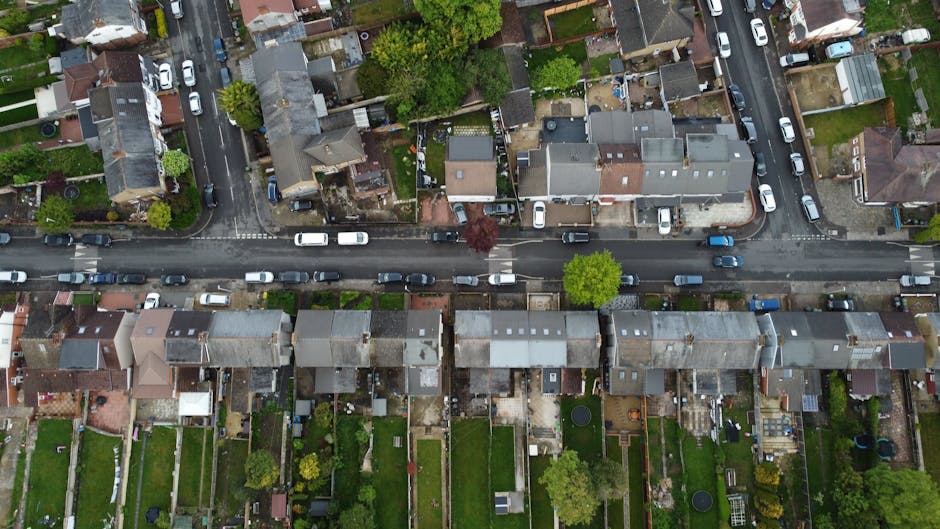
Wood Green has a mix of property types, and that variety is part of the area's appeal. It also means removal jobs can be very different from street to street. Some homes have narrow hallways and shared entrances; others sit on roads where parking is limited and loading space is tight. If you want to understand the area a little better before your move, this local overview of Haringey's neighbourhood mix is a useful place to start.
For landlords, tenants, homeowners, students, and small businesses alike, the main reason this matters is simple: tight access increases the chance of delays, damage, and added cost if the plan is not right. The good news? Most of those risks can be reduced with a bit of forethought and the right support.
How Wood Green removals guide for tight access properties Works
A well-run move in a tight access property usually starts long before moving day. The process normally begins with an access review, which is just a practical look at what the team will need to deal with. That may include stairs, distance from parking, doorway widths, lift availability, internal turns, and whether the property has a steep path, steps, or a narrow front garden.
From there, the move is shaped around the access, not the other way round. That might mean using a smaller vehicle, splitting the load into shuttle trips, booking an earlier start to secure parking, or arranging extra labour for heavy pieces. Sometimes a move that looks straightforward on paper needs more patience on the ground. That is perfectly normal.
In many cases, the team will also recommend pre-packing certain items, dismantling furniture, or moving fragile belongings separately. If you need help with that side of things, it is worth looking at packing and boxes support in Haringey so your cartons are ready for a fast and orderly load.
Where the move involves large or awkward furniture, the handling plan becomes more specific. Heavy wardrobes, beds, dining tables, and oversized sofas often need protective wrapping, careful turning, and proper route clearing. For those kinds of items, a dedicated service such as furniture removals in Haringey can be particularly useful.
The whole thing works best when everyone understands the access challenge in advance. That means you, the removals team, and anyone helping with keys, parking, or building entry. No guessing. No "we'll sort it on the day." That phrase, by the way, is usually trouble.
Key Benefits and Practical Advantages
The biggest benefit of planning a tight access move properly is control. You reduce the number of unknowns, and that makes the day much calmer. In a move where every minute matters, control is not a luxury. It is the difference between a clean handover and a rush that leaves everyone a bit frazzled.
Here are the most practical advantages:
- Less damage risk to walls, bannisters, flooring, and furniture.
- Faster loading and unloading because the route is planned in advance.
- Better van selection for roads with limited access or poor parking.
- More accurate quotes when the job is scoped correctly.
- Less physical strain on everyone involved.
- Improved timing if parking restrictions or building access windows apply.
There is also a quieter benefit people sometimes overlook: peace of mind. If you know the removals company understands the access conditions, you can stop obsessing over whether the wardrobe will fit through the hallway at an awkward angle. That mental load is heavier than it sounds.
For many customers, the right setup is a smaller and more flexible service model rather than a large full-scale truck operation. If that sounds familiar, the pages on man and van in Haringey and man with van in Haringey explain the kind of support that often suits tighter urban access.
Who This Is For and When It Makes Sense
This guide is for anyone moving from a property where space is tight and access is not straightforward. That includes:
- people in upper-floor flats without lifts
- tenants in converted houses with narrow stairwells
- families moving from terraced homes with limited on-street parking
- students moving between compact rentals
- small offices or studios with awkward entry points
- homeowners dealing with bulky furniture and restricted access routes
It also makes sense if you are moving on a tight schedule. Tight access tends to slow things down, so if you already have a limited handover window, a smart plan matters even more. The same is true if you are moving valuable items or anything that is difficult to replace. A scratched piano or damaged glass cabinet is never a pleasant surprise. If that is part of your move, a specialist option like piano removals in Haringey may be worth considering.
Sometimes the move is simply too small for a full lorry but too complex for a casual DIY job. That is where a tailored approach shines. If you are comparing services, the broader removal services in Haringey overview can help you work out what level of help is right for your situation.
And yes, if you are thinking, "this sounds like a lot for a one-bedroom flat," you are not wrong. But one-bedroom moves can be the trickiest of all when the access is bad. A few steps, one awkward bend, and suddenly the day has become a small logistical event.
Step-by-Step Guidance
Here is the most practical way to approach a move with tight access in Wood Green.
- Assess access properly. Measure doorways, stair widths, hallways, lift size, and the distance from parking to front door. Take photos if helpful. A quick video walk-through is often even better.
- Tell the removals team everything. Mention low ceilings, tight turns, shared entrances, no-parking zones, loading restrictions, and whether the street gets busy early.
- Decide what needs dismantling. Beds, tables, wardrobes, and large shelving often move more safely when partly taken apart.
- Label and prioritise boxes. In tight access moves, the order of loading matters more than people think. Keep essentials easy to reach.
- Reserve parking where possible. If parking is awkward or limited, agree the plan in advance. Even a short walk from van to property can add a surprising amount of time.
- Protect the property. Use blankets, door guards, corner protection, and floor coverings if needed.
- Load in the right sequence. Heavy, robust items often go in first, with fragile things secured safely around them.
- Keep the unloading route clear. On arrival, make sure the destination access is just as ready as the pickup address.
A small tip that saves stress: leave a little breathing space between tasks. Tight access moves become messy when everyone is rushing from one room to another with no pause. A two-minute reset can prevent a ten-minute mistake. Simple, but it works.
If you need to arrange transport for a smaller or partial move, a dedicated removal van in Haringey can be a practical middle ground. It is often enough capacity without being too bulky for narrow streets or compact loading areas.
Expert Tips for Better Results
These are the kinds of details that make a real difference on moving day.
1. Measure the awkward bits, not just the obvious ones
Everyone measures the front door. Fewer people measure the turn at the bottom of the stairs or the angle into the hallway. Yet those are often the trouble spots. If a wardrobe will not make the turn, the whole job slows down.
2. Photograph the route
Photos of staircases, parking spaces, entryways, and any obstructions help a removals team judge what equipment and manpower will be needed. A few smartphone pictures can save a lot of back-and-forth. Honestly, they are worth their weight in tea.
3. Keep fragile items separate
Glass, artwork, lamps, and mirrors should not be buried under general boxes in a tight-access move. Separate handling reduces the chance of breakage, especially when loads must be carried a longer distance or down stairs.
4. Work out what can stay behind
Moves become easier when you stop transporting things you no longer need. Old broken furniture, duplicate storage boxes, and miscellaneous clutter all add time. If the move has made you realise you are hauling half your life in mystery bags, that is fairly normal, but it is also a chance to simplify.
5. Ask about flexibility
Sometimes the best solution is not the biggest vehicle but the most adaptable team. If parking is constrained or the access route is not ideal, a flexible service may be a better fit than a larger rigid one. For readers comparing providers, it can help to review local removal companies in Haringey and see which ones talk clearly about access planning.
Common Mistakes to Avoid
Most tight access problems are manageable, but a few avoidable mistakes can make them much harder than they need to be.
- Underestimating the access route. A property can look simple from the street and still be a nightmare inside.
- Booking the wrong vehicle size. Too large can mean parking problems; too small can mean extra trips. Neither is ideal.
- Forgetting about building rules. Some flats or managed buildings have specific moving times or entry procedures.
- Leaving packing too late. Last-minute packing is hard enough without stairs and narrow corridors.
- Not warning neighbours. It is not mandatory in every case, but it can help if loading may partially block access for a short time.
- Ignoring heavy or specialist items. Large furniture, white goods, and instruments need different handling.
One very common mistake is assuming that the crew will "just manage" with whatever is there. They usually will manage, because professionals are used to problem-solving, but that does not mean the job will be smooth or efficient. You want a plan, not a heroic rescue scene. Less drama, better results.
Tools, Resources and Recommendations
You do not need a warehouse of gear to move well in tight access conditions. A modest set of proper tools is usually enough, provided they are used sensibly.
| Tool or resource | Why it helps | Best used for |
|---|---|---|
| Furniture blankets | Protects surfaces from knocks and scrapes | Wardrobes, tables, sofas, doorframes |
| Sturdy tape and labels | Keeps boxes organised and easy to place | Room-by-room packing and priority items |
| Measuring tape | Confirms door, stair, and lift clearances | Pre-move access checks |
| Protective floor covering | Reduces damage in narrow, high-traffic routes | Hallways, stairs, shared entrances |
| Small loading trolley | Helps move boxed items with less strain | Long carries and multiple trips |
From a planning point of view, it also helps to understand the type of service you need. If you are moving a flat, for example, a focused flat removals service in Haringey can be a more precise fit than a general service package. If you are moving a full house, the broader house removals in Haringey page may be the better reference.
For people who need temporary holding space during a staggered move, storage in Haringey can take some pressure off the access issue. That is especially useful if the new place is not quite ready or if you are moving in stages. Sometimes moving in two calm parts is far smarter than forcing everything into one crowded day.
Law, Compliance, Standards, or Best Practice
For most domestic removals, the main compliance concerns are practical rather than legal. Still, a professional moving day should follow sensible UK best practice around health and safety, property care, and secure handling of goods.
That usually means:
- using appropriate lifting techniques and enough people for heavy items
- protecting walls, floors, and fittings where necessary
- checking access routes for trip hazards and obstructions
- following any building, landlord, or management rules that apply to the property
- handling possessions in line with agreed terms and conditions
If you are comparing movers, it is sensible to look at their approach to health and safety as well as their insurance and safety information. That does not just protect the company. It protects you and your belongings too.
It is also worth understanding how payment is handled, especially if you are booking a service that depends on a final access review or an adjusted quote. You can review payment and security details before confirming a booking, which is a sensible habit whenever money is changing hands online.
And if your move is more complex than first expected, do not be shy about asking for a revised estimate. Good operators would rather refine the plan than pretend everything is fine and hope for the best. That rarely ends well, does it?
Options, Methods, or Comparison Table
Different access challenges call for different moving methods. Here is a straightforward comparison to help you decide what is likely to fit best.
| Method | Best for | Pros | Trade-offs |
|---|---|---|---|
| Full removals van | Larger house moves with workable access | More capacity, fewer trips | May be harder to park in narrow streets |
| Smaller van or man and van | Compact properties, short carries, smaller loads | More flexible, easier in tight spaces | May require multiple runs for bigger moves |
| Specialist handling | Heavy, fragile, or high-value items | Extra care and proper equipment | Usually needs more planning and cost |
| Storage plus staged move | Renovations, delayed key handovers, complex timing | Reduces pressure on moving day | Requires coordination and extra planning |
For many Wood Green properties, the smaller flexible option is surprisingly effective. It is not about being "less professional"; it is about matching the vehicle and crew to the reality of the building. The best solution is the one that fits the street, the stairwell, and the item list.
Case Study or Real-World Example
A typical example: a couple moving from a first-floor flat in Wood Green with a narrow internal staircase, no lift, and limited parking outside. The flat had a sofa, a double bed, several boxed kitchen items, a mirror, and a couple of heavy storage units. Nothing outrageous, but enough to cause trouble if handled casually.
Rather than sending a large vehicle and hoping for the best, the job was planned as a compact move with an early arrival window. The bed was dismantled in advance, the mirror was wrapped separately, and the route through the communal hall was protected. The team loaded the heaviest items first, then worked through the boxes in a controlled order. Simple enough, but very effective.
The key win was not speed alone. It was avoiding the "stop-start" pattern that often happens when access is tight and no one has planned the sequence. There were still a couple of small delays, because moving days are moving days, but nothing spiralled. The clients got their essentials in place by late afternoon and did not spend the evening wrestling with a wardrobe in the dark. A victory, frankly.
If a move like that is on your horizon, it can help to speak to a local team early. You can start with the company's services overview or go straight to contact the team for practical advice on access, vehicle size, and timing.
Practical Checklist
Use this checklist a day or two before the move. It is simple, but it covers the details that matter.
- Measure doors, stairs, corridors, and lift dimensions
- Take photos of the access route from street to property
- Confirm parking or loading arrangements
- Tell the removals team about any tight corners, low ceilings, or steps
- Dismantle bulky furniture where possible
- Pack fragile items separately and label them clearly
- Keep essentials in one easy-to-reach bag or box
- Protect floors, bannisters, and doorframes if needed
- Check building rules, entry times, and any key collection details
- Have a phone charged and handy for arrival-day coordination
Expert summary: tight access moves are won before moving day, not during it. If the route, vehicle, packing, and timing all make sense in advance, the actual move usually feels much more manageable.
Conclusion
A move with difficult access does not have to become a stressful ordeal. With the right measurements, clear communication, sensible packing, and a removals team that understands Wood Green's mix of property layouts, even a narrow staircase or tricky parking situation can be handled well.
The main thing is not to leave access planning as an afterthought. That is where most avoidable problems begin. Instead, treat access as part of the move itself, because in many cases it is the move itself. Once you do that, everything tends to feel easier, clearer, and far less chaotic.
Get a free quote today and see how much you can save.
If you are still weighing up the best route, the team at Man and Van Haringey can help you choose the most practical option for your property, your schedule, and your budget. A quick conversation now can save a lot of juggling later, and that is usually time well spent.
Sometimes a good move is not the one that looks effortless. It is the one that was quietly planned with care.
Frequently Asked Questions
What counts as a tight access property for removals?
A tight access property is any home or building where moving furniture and boxes in and out is constrained by narrow stairs, limited parking, small doorways, awkward turns, shared hallways, or a long carry from van to entrance.
Do I need a smaller van for a Wood Green flat move?
Not always, but a smaller or more flexible vehicle is often a better fit when parking is limited or the street is narrow. The right size depends on both the load and the access route.
Should I dismantle furniture before moving day?
Yes, if it is safe and practical to do so. Beds, wardrobes, and tables often move more easily when dismantled, especially in properties with tight stairs or narrow hallways.
How do removals teams handle stairs with no lift?
They usually plan the route carefully, use the right lifting technique, and may bring extra help for heavier items. Protective coverings may also be used to help prevent damage to walls and banisters.
Can I still move on the same day if access is difficult?
Sometimes yes, especially for smaller loads or flexible services. If the move is more complex, a same-day booking can still work, but only if the access challenge is clearly explained in advance.
What should I tell the removals company before booking?
Share details about stairs, parking, lift size, doorway widths, tight corners, entry codes, and any restrictions from your building or landlord. The more accurate the information, the better the plan.
Is storage useful for tricky access moves?
Yes. Storage can help if your new property is not ready, if you are moving in stages, or if you want to reduce pressure on a day when access is already a challenge.
How can I protect walls and floors during a tight access move?
Use floor coverings, blankets, and corner protection where needed, and make sure bulky items are carried by enough people. Clear the route before the team starts, too. That little bit of prep makes a real difference.
Will a quote change if access is difficult?
It might. Tight access can affect labour time, vehicle choice, and the number of trips required. A good quote should reflect the actual conditions rather than a one-size-fits-all assumption.
Are specialist services needed for heavy or valuable items?
Often yes. Items such as pianos, large mirrors, antiques, or unusually heavy furniture benefit from specialist handling and proper equipment.
What is the biggest mistake people make with tight access removals?
The biggest mistake is underestimating the property access and not telling the removals team early enough. Once that happens, schedules get tight and problems become much harder to avoid.
How early should I arrange a removals survey or quote?
As early as possible, especially if you already know the property has tricky access. That gives time to assess the route properly, choose the right service, and avoid last-minute stress.
Where can I learn more about local moving options?
You can explore the wider removals in Haringey page for a broader overview, or review pricing and quotes if you are ready to compare options more seriously.